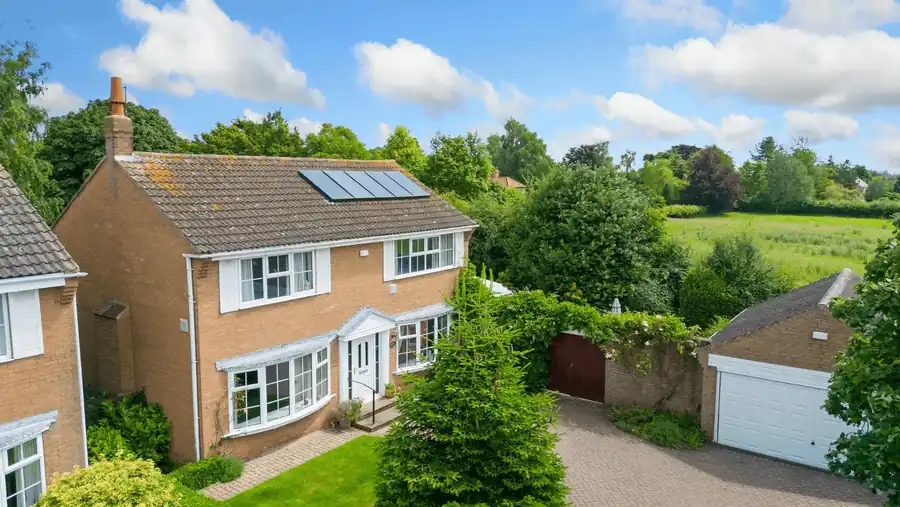
What If I Need to Move Before My House Sells?
Plenty of people do exactly that, and it works, but it comes with costs that are easy to underestimate: an empty property still has a mortgage, council tax, insurance and heating to keep it dry.
Insurers also treat unoccupied properties differently. Most policies restrict cover after a period of vacancy, often 30 to 60 days, so tell your insurer before you go rather than after.
You will also need someone locally who can let people in, check the property and deal with anything urgent. If that is not available, selling before you go is usually less stressful than managing it from a distance.
- Mortgage, council tax, insurance and standing charges continue while it is empty
- Unoccupied property cover normally needs to be arranged with your insurer
- Someone local needs access for viewings and checks
- An empty house can look less appealing to open market buyers
Selling Before You Move Versus Selling Afterwards
Selling before you move gives you a clean break and a known figure to put towards the next place, but ties your move date to a buyer. Selling afterwards frees your timescale but means running two households and managing the sale from wherever you have landed.
A direct sale sits in between: you fix the completion date up front, so you can move when you need to and know the sale is not still hanging over you.