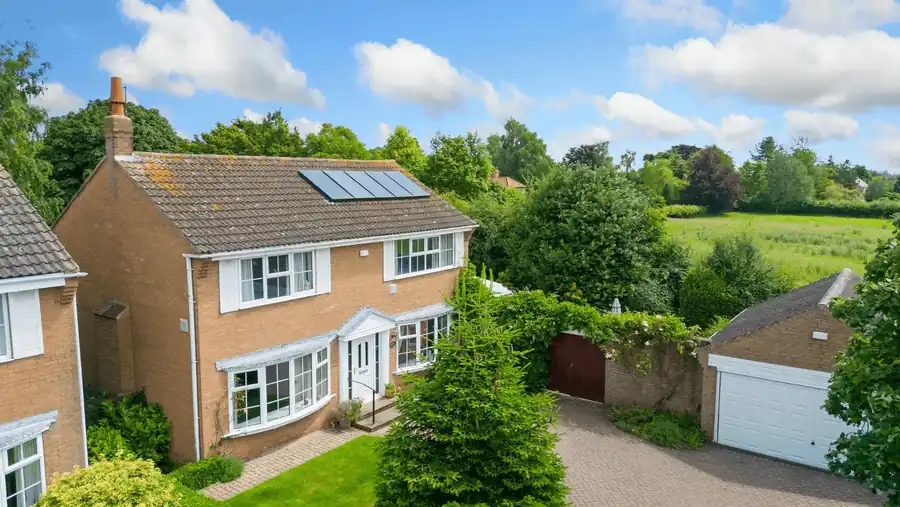
What Happens to the House When You Separate?
Where a property is jointly owned, both owners must agree before it can be sold. Both are also usually liable for the mortgage, regardless of who is living there or who is paying it.
How the proceeds are divided is part of the wider financial settlement between you, and that is a matter for your solicitors rather than for us. Our part is straightforward: what the property is worth to us and when we could complete.
Both parties should take their own independent legal advice before agreeing anything, particularly where children, occupancy or a matrimonial home interest are involved.
- Joint owners both need to consent to the sale
- Mortgage liability normally continues for both parties until it is repaid
- How the proceeds are split is part of the financial settlement
- Each party should have separate legal advice
What If One Person Has Already Moved Out?
This is very common, and it usually creates two pressures at once: one household becomes two, while the mortgage and bills on the original property continue.
Selling ends that overlap on a known date. If one of you is still living in the property, a direct sale also avoids strangers viewing the house during an already difficult period. The person remaining in the property still needs somewhere to move to, so the completion date matters, and we can set it to suit.