

House selling guide
Selling A House With Sitting Tenants In Scotland
You can sell a tenanted property in Scotland either with the tenant in place or with vacant possession. Selling with tenants in situ is faster and keeps the rent coming, but limits you mainly to investor buyers. Getting vacant possession means serving proper notice under the tenancy, which takes time and can mean an empty property.
Written for sellers in Scotland
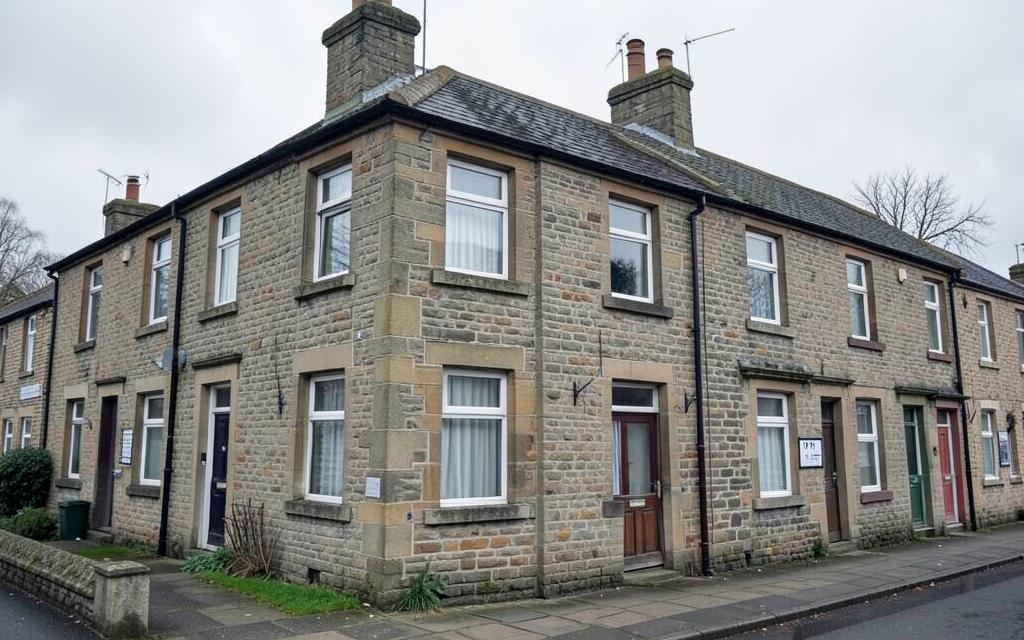
A private residential tenancy in Scotland is open ended. There is no fixed end date to wait for, and you cannot simply ask a tenant to leave because you want to sell. Selling the property with the tenancy still running is often the simpler answer.
This guide explains both routes, what each does to your buyer pool and your price, and how to keep the tenant onside while you do it.
The two routes, and who buys each one
Vacant possession opens the property to owner occupiers, who generally pay the most. Tenants in situ keeps the income running but limits you to landlords and investors.
| Route | What it means in practice |
|---|---|
| Sell with tenants in situ | Investor buyers only, rent continues, no notice period, faster to complete |
| Sell with vacant possession | Full buyer pool, but notice, a possible tribunal application and an empty property first |
Ending a private residential tenancy properly
If you need the property empty, you serve a Notice to Leave stating the ground you are relying on. Intention to sell is one of the recognised grounds. The notice period depends on the ground and how long the tenant has lived there.
If the tenant does not leave at the end of the notice, you apply to the First-tier Tribunal for Scotland (Housing and Property Chamber) for an eviction order. That is a process with a timetable of its own, so build it into your plans rather than assuming a date.
- Serve a valid Notice to Leave with the correct ground and notice period
- Keep evidence that you genuinely intend to sell, because the tribunal will want it
- Never change locks, remove belongings or cut services, which is illegal eviction
- Deposit must be returned or disputed properly through the scheme
Step by step
- 1
Read the tenancy agreement
Check whether it is a private residential tenancy, an older short assured tenancy or something else. The rules and notice periods differ.
- 2
Talk to your tenant early
A tenant who first hears about the sale from a viewing request becomes an obstacle. One who is told early, and told what it means for them, usually cooperates.
- 3
Decide vacant or tenanted
Weigh the extra price a vacant sale might achieve against the lost rent, notice period, tribunal risk and holding costs of emptying it first.
- 4
Get the paperwork together
Tenancy agreement, deposit scheme details, rent record, gas safety certificate, EICR, EPC and landlord registration. Investor buyers will ask for all of it.
- 5
Price it for the right buyer
Tenanted properties are priced on yield, not on kerb appeal. Know the annual net rent, because that is what an investor will value it on.
- 6
Sell to a buyer who deals with tenancies routinely
A cash buyer who already owns rented property can take the tenancy on as it stands, which removes the notice period entirely.
What happens to your tenant after the sale
When a tenanted property is sold with the tenancy in place, the tenancy transfers to the new owner on the same terms. The tenant keeps their rights, their rent and their deposit protection, and the deposit is transferred to the new landlord's scheme.
Telling the tenant this plainly, in writing, usually converts the biggest obstacle in the sale into an ally who gives access and keeps paying rent throughout.
Tenanted sale paperwork checklist
Every investor buyer and their solicitor will ask for these.
- Signed tenancy agreement and any amendments
- Deposit scheme certificate and current deposit amount
- Rent statement showing payment history and any arrears
- Current gas safety certificate
- Electrical installation condition report (EICR)
- Energy performance certificate
- Landlord registration number and any HMO or short term let licence
- Repairing standard compliance and recent works
- Any Notice to Leave already served, with dates
Frequently asked questions
Can I sell my house with a tenant still living in it?
+−
Yes. The tenancy transfers with the property and the tenant stays on the same terms. You avoid the notice period, the empty months and the risk of a tribunal application.
Do I have to tell my tenant I am selling?
+−
Yes, and early. They must be told about a change of landlord, and in practice you need their cooperation for access and valuations.
How much less is a tenanted property worth?
+−
It depends on the rent, the tenant and the condition. Investors price on the return, so a well let property in good order is worth considerably more to them than a problem tenancy.
What if my tenant is in arrears?
+−
Tell any buyer up front. Arrears do not stop a sale to an investor, but hiding them will unravel the deal at the paperwork stage.
More selling guides

Home Report Scotland
What a Home Report covers, when you need one, and how selling directly removes the cost.

How Long Does It Take to Sell a House in Scotland?
Average timescales for an open-market sale and how a cash sale compares.

Cost of Selling a House in Scotland
Estate agent fees, legal costs, Home Reports and other selling costs explained.
Related guides and tools
Selling a rental property
Sell tenanted or empty, without ending your tenancy first.
Read moreLandlord keep or sell calculator
Work out what a rental really clears once voids, repairs and the mortgage are counted.
Read moreCapital gains tax on a second home
What you may owe when selling a rental or second property.
Read moreLandlord sales
Portfolio and single let sales handled start to finish.
Read moreSelling for a particular reason?
Selling in your area
- Sell house fast Glasgow
- Sell house fast Edinburgh
- Sell house fast Aberdeen
- Sell house fast Dundee
- Sell house fast Inverness
- Sell house fast Perth
- Sell house fast Stirling
- Sell house fast Falkirk
- Sell house fast Paisley
- Sell house fast East Kilbride
- Sell house fast Ayr
- Sell house fast Ayrshire
- Sell house fast Hamilton
- Sell house fast Motherwell
- Sell house fast Coatbridge
- Sell house fast Kilmarnock
- Sell house fast Livingston
- Sell house fast Dunfermline
- Sell house fast Kirkcaldy
- Sell house fast Greenock
Get Your Free Cash Offer
We can purchase your property in as little as 28 days, with zero solicitor fees or hassle
